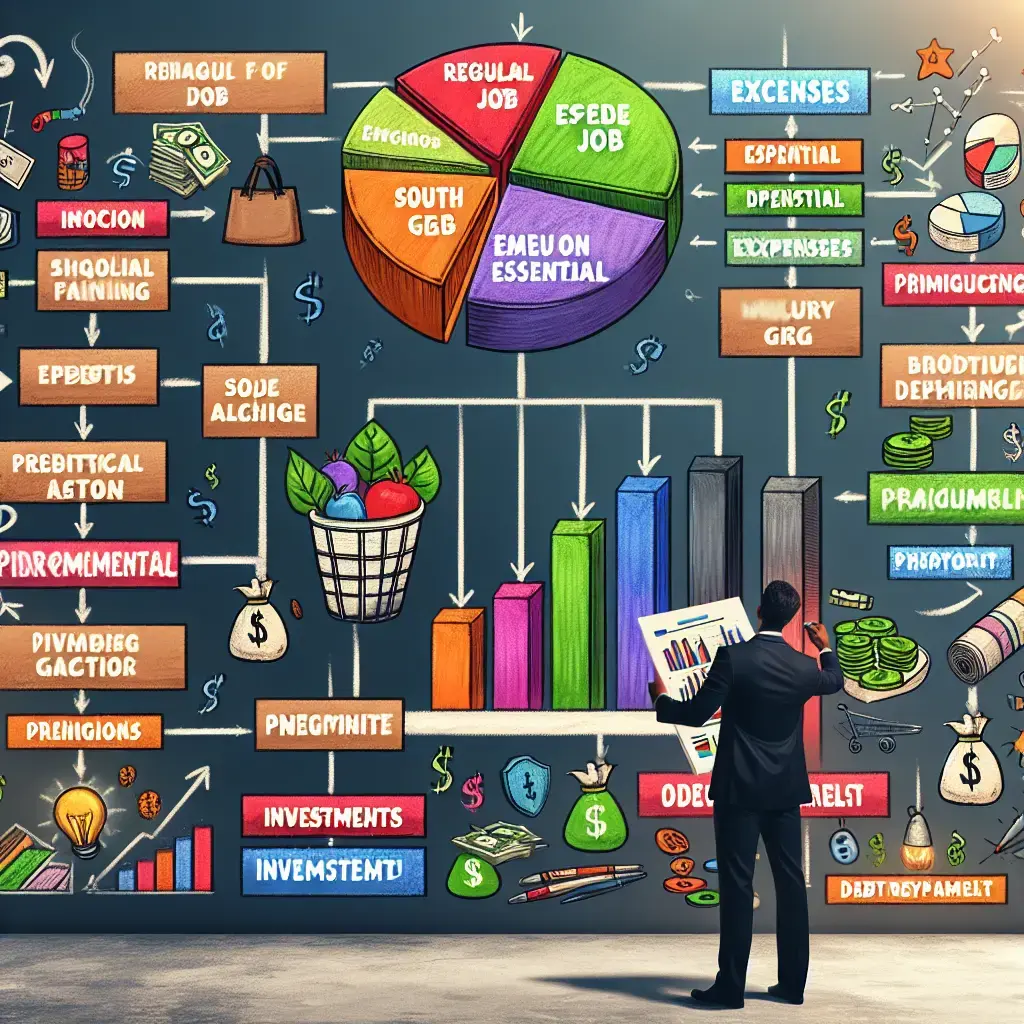
In today's ever-evolving financial landscape, creating a budget that prioritizes debt repayment is more crucial than ever. With recent developments such as the Biden Administration's cancellation of $1.2 billion in student loan debt for 35,000 borrowers, many individuals are finding new opportunities to reshape their financial strategies. Understanding how to budget for debt repayment can not only help you regain control over your finances but also set you on a path toward long-term financial freedom.
Understanding the Importance of Prioritizing Debt Repayment
The Current Debt Relief Landscape
Recent news highlights the impact of targeted debt relief initiatives. For example, the Biden Administration's recent student loan forgiveness has provided significant relief to teachers and public service workers. This action underscores the importance of staying informed about debt relief programs that could influence your financial planning for debt.
Lessons from Those Who've Benefited
Consider the millennials who have received student-loan forgiveness. These individuals now have the freedom to save for retirement, grow their families, and even consider further education. Their stories exemplify how effective debt management can open doors to future opportunities (Business Insider).
Crafting a Debt Repayment Plan
Creating a debt repayment plan involves more than crunching numbers. It's about aligning your budget with your financial goals and lifestyle.
Setting Clear Priorities
Start by identifying which debts to tackle first. Typically, it's advisable to prioritize paying off high-interest debts, such as credit card balances, before addressing lower-interest obligations like student loans or mortgages. This approach can reduce the total interest paid over time, freeing up resources for other financial goals.
Leveraging Debt Reduction Strategies
Incorporate innovative debt reduction strategies into your plan. For example, the avalanche method focuses on paying off debts with the highest interest rates first, while the snowball method targets smaller debts to build momentum. Both are effective debt repayment methods that can be tailored to suit individual preferences.
Budgeting Tips for Effective Debt Management
Creating a sustainable budget is crucial for managing debt effectively. Here are some budgeting tips for debt:
- Track Your Expenses: Use apps or spreadsheets to monitor spending and identify areas where you can cut back.
- Automate Payments: Set up automatic payments to ensure timely debt repayment and avoid late fees.
- Create an Emergency Fund: Set aside savings for unexpected expenses to prevent further debt accumulation.
- Review and Adjust Regularly: Regularly revisit your budget to adapt to changes in income or expenses.
These steps are integral to effective financial planning for debt and can aid in managing debt with a budget that aligns with your long-term goals.
Financial Planning for a Secure Future
Beyond immediate debt repayment, consider how your financial planning can pave the way for future security.
The Role of Financial Freedom
Budgeting for financial freedom involves not only addressing current debts but also planning for future expenses, such as retirement or home ownership. The recent increase in private equity deals within healthcare (PwC Insights) and the growth of legalized sports betting's adverse effects (The Guardian) highlight the dynamic nature of today's financial environment.
Insights from the Wealthy
Wealthy individuals often employ strategic financial planning, such as diversifying investments and leveraging tax advantages. Learning from these strategies can provide valuable insights for anyone looking to improve their financial standing (Forbes).
Navigating the Complexities of Debt Repayment
Debt repayment is a complex process that requires patience and discipline.
Adapting to Economic Changes
Stay informed about economic trends that may affect your financial strategy. For instance, recent mergers and acquisitions, like Warner Bros Discovery's reevaluation of their merger (Variety), illustrate how economic shifts can impact personal and corporate finances.
Utilizing Available Resources
Explore resources such as prepaid debit cards, which can help manage expenses without accruing further debt (NerdWallet). Additionally, consider consulting financial advisors or utilizing budgeting apps designed to assist in debt management strategies.
Conclusion: Charting Your Path to Financial Freedom
Creating a budget that prioritizes debt repayment is a pivotal step toward achieving long-term financial stability. By implementing strategic financial practices, you can effectively manage and reduce debt while setting the stage for future prosperity. Here’s a recap of the essential points:
- Prioritize Debt Repayment: Focus on high-interest debts first to minimize overall interest payments and free up funds for other goals.
- Leverage Debt Reduction Strategies: Consider employing the avalanche or snowball methods to systematically tackle your debts in a way that aligns with your preferences.
- Craft a Sustainable Budget: Track expenses, automate payments, and establish an emergency fund to avoid accumulating more debt.
- Plan for Financial Freedom: Beyond immediate debt concerns, plan for future expenses and learn from the financial strategies of the wealthy to enhance your financial standing.
- Stay Informed and Adapt: Keep abreast of economic trends and use available resources, such as prepaid debit cards and financial advisors, to guide your financial journey.
As you navigate the complexities of debt repayment, remember that each step you take brings you closer to financial freedom. Embrace the challenge with patience and discipline, adapting your strategy as circumstances change. Engage with the community by sharing your experiences and insights—your journey can inspire others to take control of their financial futures.
Reflect on these strategies and consider how they can be personalized to fit your unique situation. Are there methods or tools that have worked for you in the past? How might you adapt them moving forward?
Thank you for joining me on this exploration of effective debt management. I invite you to share your thoughts and stories in the comments below. Together, we can continue learning and supporting one another on the path to financial success.
Author: Emma Langston